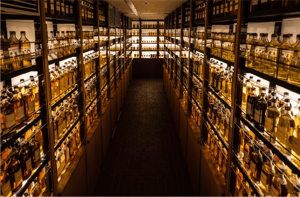
Grain to glass is one of the most widely used phrases in the spirits industry. It signals craftsmanship, transparency and control. But while many distilleries embrace the philosophy, very few have the digital infrastructure to make grain to glass a lived operational reality. Without connected systems the idea remains a slogan rather than a measurable standard.
In a modern distillery, grain to glass is not just about process. It is about data. It is about the ability to see, understand and trust every stage of production, maturation and bottling. And most importantly, it is about ensuring that what happens in the warehouse and production hall is reflected instantly and accurately in the financial and compliance side of the business.
This is where many distilleries fall short, not because of a lack of skill or ambition, but because the tools they rely on were never designed to support true end to end visibility.
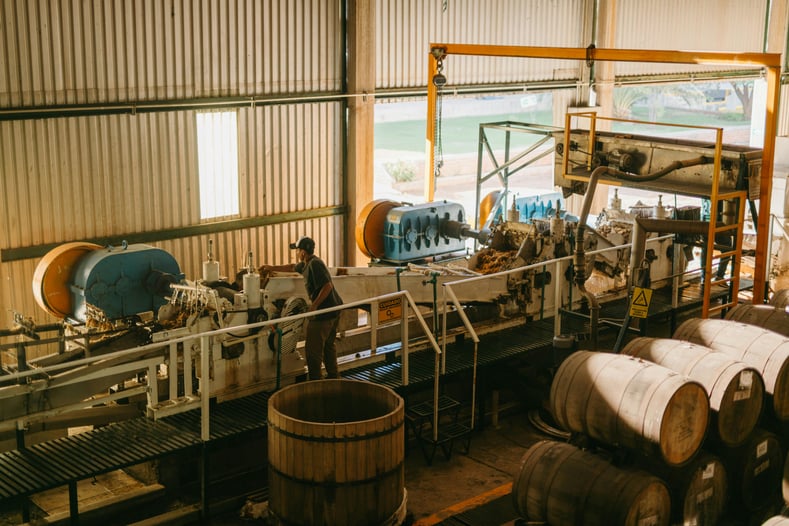
Where grain to glass breaks in traditional systems
The spirit making process is beautifully interconnected, but the software most distilleries use is not. The typical setup looks like this:
• Production tracked in standalone tools
• Warehouse activity recorded manually
• Cask data scattered across spreadsheets
• Bottling runs planned from outdated stock
• Duty calculated externally
• Finance catching up at month end
Each stage becomes its own island, and the flow of information breaks. What should be one continuous lifecycle turns into a series of isolated events.
As the business grows the gaps widen:
• Material usage falls out of line with costing
• Yield data is not connected to financial reporting
• Strength changes during maturation are not reflected in duty
• Bottling plans are built on incomplete inventory
• WIP valuation becomes inconsistent
• Audit trails become fragmented
The distillery may be creating exceptional spirit, but the systems behind the scenes tell an incomplete story.
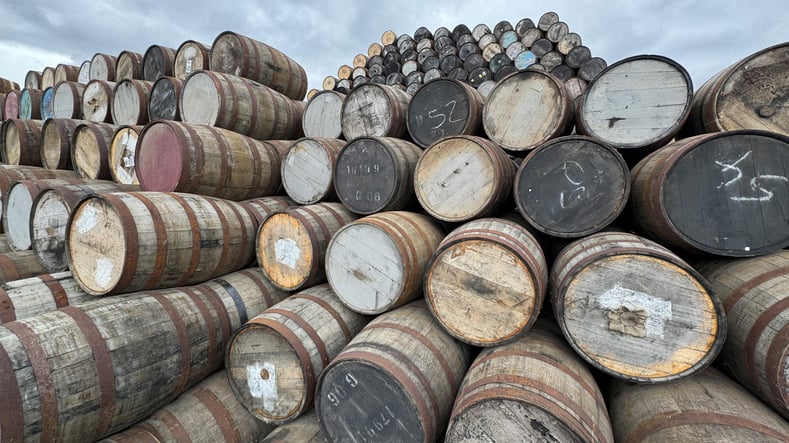
What true grain to glass visibility actually looks like
A genuine grain to glass setup connects every operational stage, creating a single continuous record that follows the spirit from its first raw material to its final bottled form.
Here is what real grain to glass visibility enables:
1. Production becomes part of the wider operational truth
Mash bills, yields, losses and alcohol strength flow directly into spirit production and cask filling.
2. Cask maturation data becomes live, not static
Strength changes, losses, regauges, extractions and re-racks update the system automatically.
3. Bottling plans reflect real inventory and financial data
No more guessing how much material is available or whether casks are ready to draw.
4. Financial data stays perfectly aligned
WIP, valuation and duty follow actual operational activity rather than manual spreadsheets.
5. Traceability becomes authentic
You do not just know the story. Your system can prove it.
This is grain to glass as it should be. Not an idea but an infrastructure.
Why this level of continuity matters
The strength of a distillery lies not only in its production skill but in its operational intelligence. True grain to glass visibility brings several commercial advantages.
Stronger brand integrity
Consumers and partners increasingly expect transparency. Being able to prove every step of production enhances trust.
Better forecasting and planningAccurate live data allows production to plan precisely, bottling to run efficiently and procurement to avoid overstocking or shortages.
More accurate costing
Every raw material, movement, loss and yield feeds into valuation, giving finance a much clearer picture of true cost.
Cleaner compliance
HMRC reporting becomes more straightforward when duty, LPA and movement records are recorded automatically.
Stronger decision making
Leaders manage with confidence because the system provides an honest, real time reflection of operations.Grain to glass is not only about craft. It is about clarity.
Where most systems fail to deliver true grain to glass
Many platforms claim end to end visibility, but the truth is most of them cannot support:
• Cask-by-cask strength and volume tracking
• Real time LPA updates
• Automatic valuation changes
• Integrated duty calculations
• Live WIP costing
• Unified production and financial data
• Continuous traceability across departments
The result is a grain to glass process held together by patchwork logic and manual reconciliation. This is what
Bottle ERP was built to solve.
How Bottle ERP delivers digital grain to glass control
Bottle ERP brings together production, warehousing, cask management, bottling, duty and finance inside a single platform built for the industry.
From grain to barrel
Raw materials flow into mash and distillation with precise yield and loss tracking.
From barrel to maturation
Casks carry complete histories including fill details, strength changes, losses, valuations and movements.
From maturation to bottling
Stock availability, regauges, parcel changes and readiness indicators support planning and decision making.
From bottling to sale
Finished goods immediately update inventory, costing, duty and financials.
Nothing is disconnected. Nothing is left to chance. Every step builds on the last.
Why distilleries that embrace this model grow faster
When grain to glass becomes digital, the business gains:
• Operational harmony
• Audit ready traceability
• Predictability in duty and costing
• Confidence in every movement and value
• Scalability across products, sites and markets
The distillery stops managing spreadsheets and starts managing strategy. Bottle ERP turns grain to glass from a concept into a capability, giving distilleries the clarity and control they need to grow with confidence.